Coding in 1804: Was the First Computer Made of Wood?
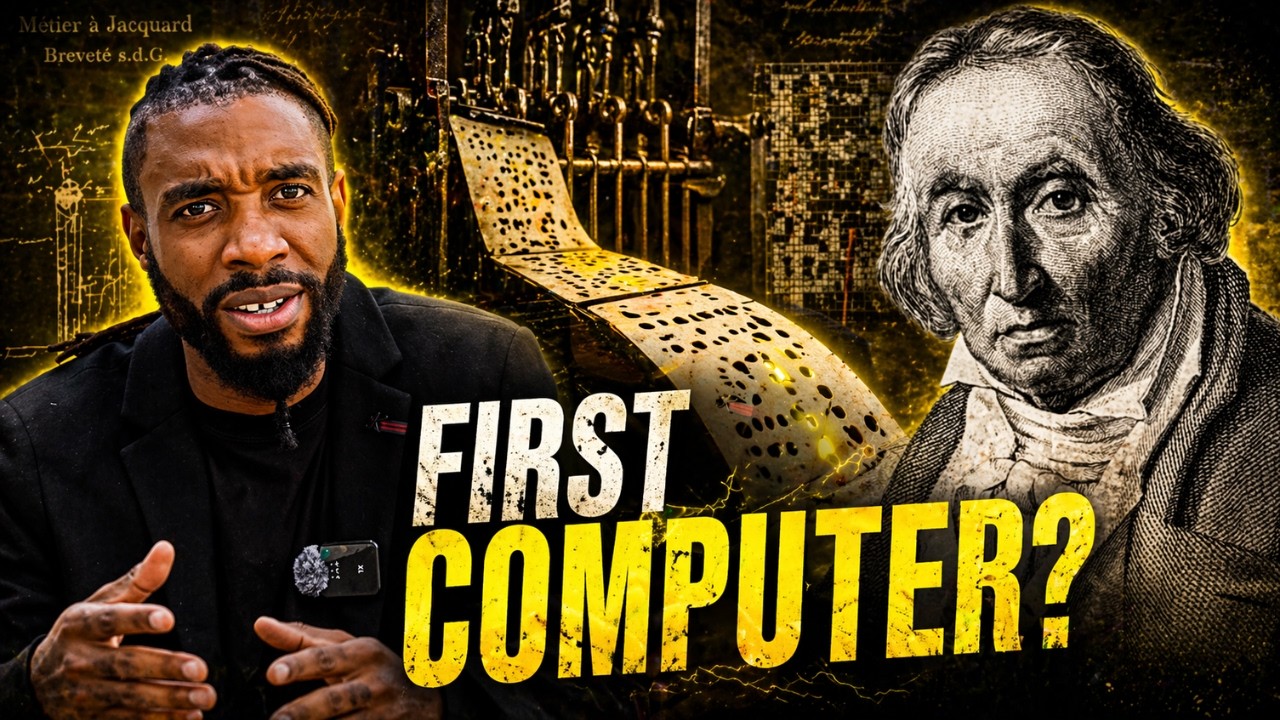
A Jacquard loom, punch cards, and the weirdly wooden prehistory of software - when programming meant weaving instructions into cloth.
How did computing become what it is?
Machines, ideas, people and decisions that turned calculation into modern computing.
The collection

A Jacquard loom, punch cards, and the weirdly wooden prehistory of software - when programming meant weaving instructions into cloth.

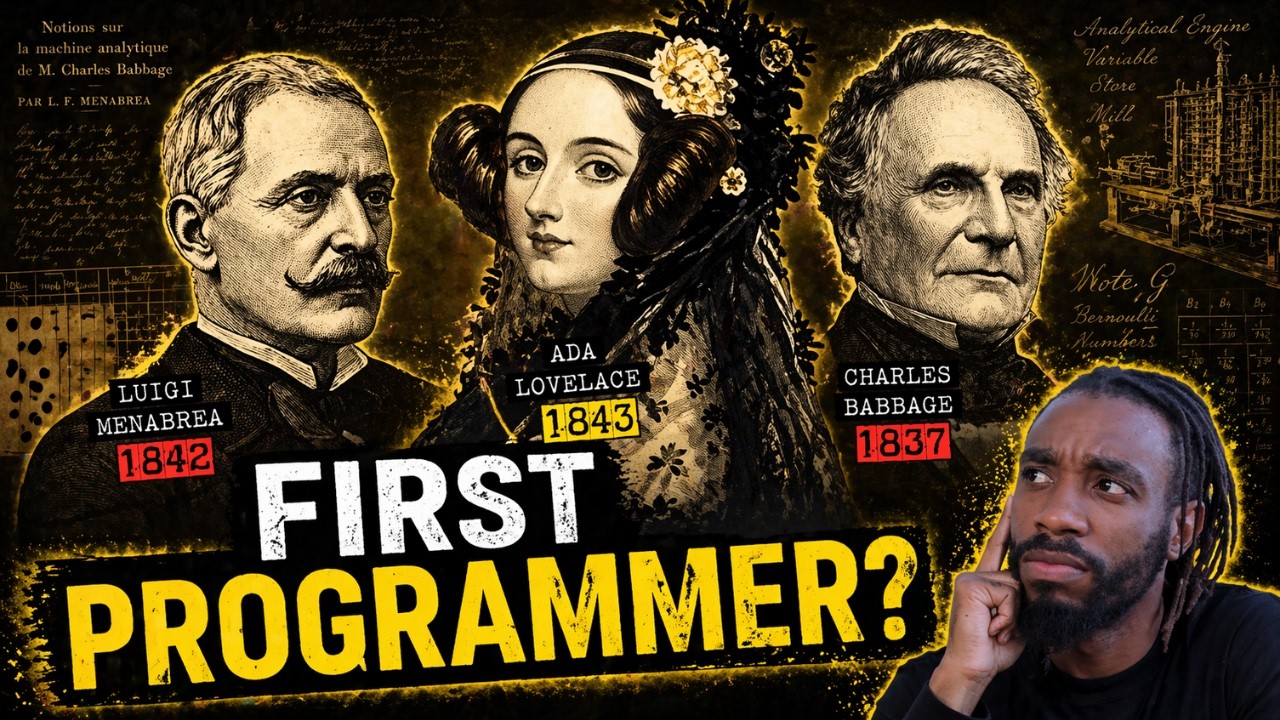
In 1842-1843 three names collide: Babbage, Menabrea, and Lovelace. Five clues from the original sources show why the answer depends on what you mean by first program.

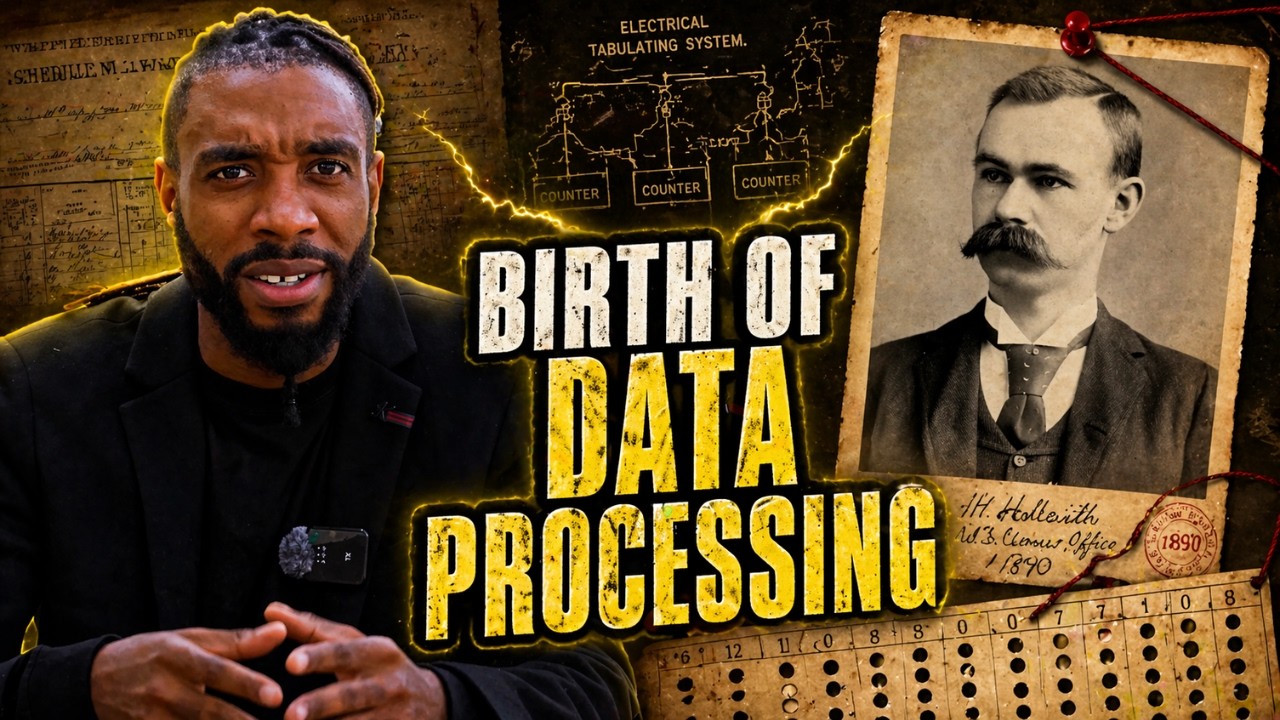
The U.S. Census hit a paperwork wall. Herman Hollerith responded with punch cards, electrical tabulation, and the birth of data processing (plus a cardboard origin story for IBM).

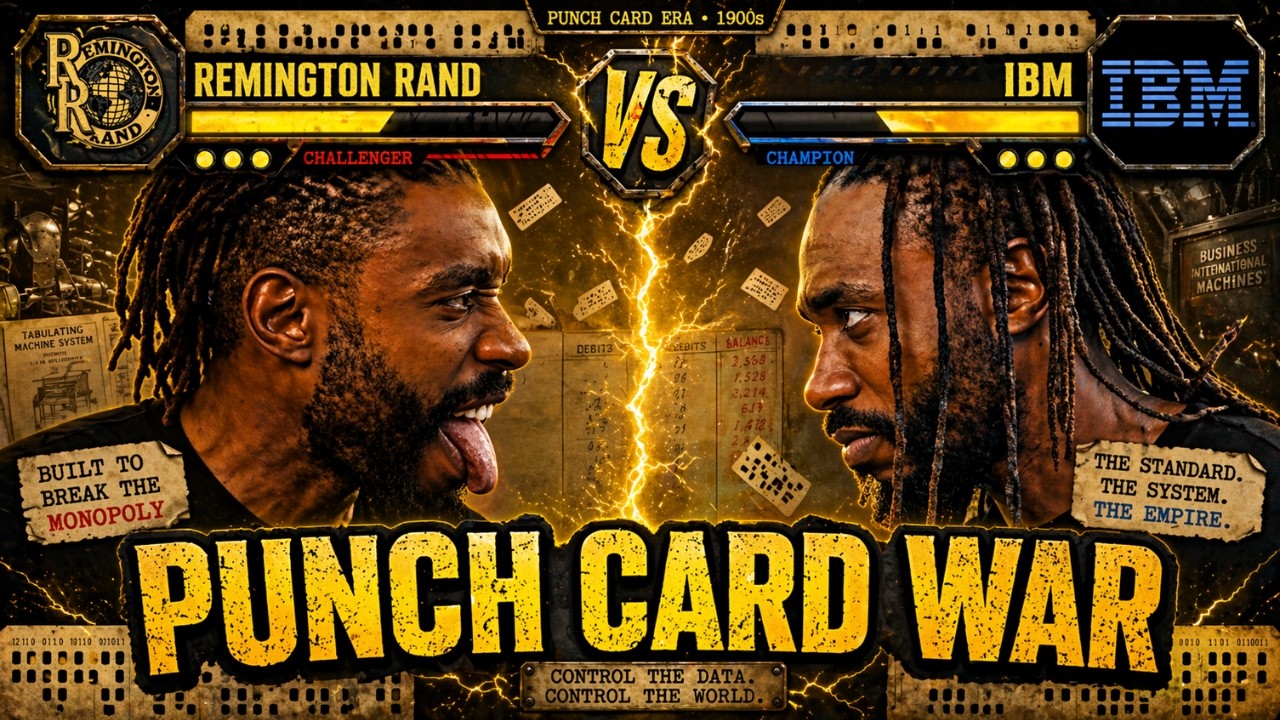
Before Silicon Valley turned rivalry into a spectator sport, IBM and Remington Rand were already fighting over punched cards, patents, tabulators, and the right to process the world’s data.

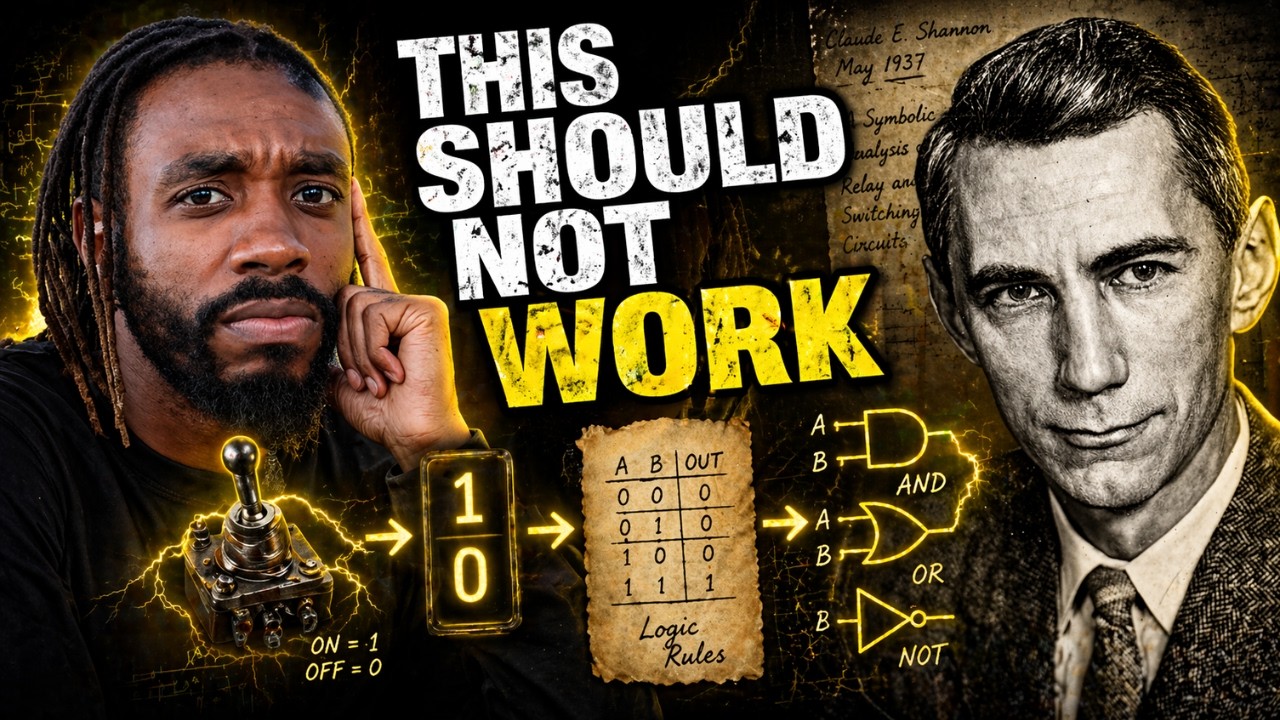
A plain-English computer history piece on binary, Boolean algebra, switching circuits, and how simple electrical states became the foundation of modern computing.

A personal note on programming, old machines, storytelling, and why understanding computing’s roots makes modern software less mysterious.

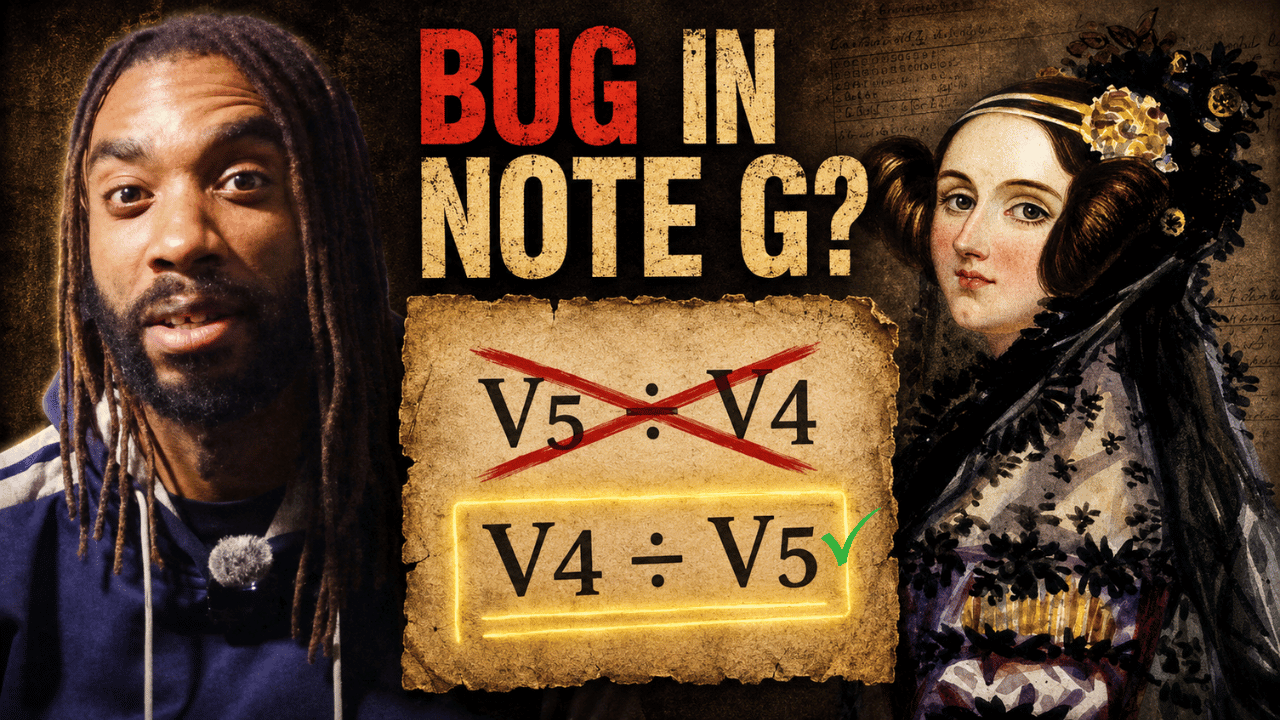
A computational forensics investigation into Ada Lovelace’s Note G, the published operational sequence, Operation 4, Line 24, the B36 wall, and what happens when symbolic elegance meets actual execution.
Keep exploring

What can old tools still teach us about computing and ourselves?

Why do technical problems so often turn out to involve fatigue, fear, communication or faulty assumptions?

How can a vague career question become a route someone can actually follow?