
Computer History
Collection
How did computing become what it is?
Explore collection
Explore
Computer History Debugged
Why are computers even a thing?
Old machines, strange inventions, and the long chain of bad decisions that led to modern computing.
Explore by topic
New and recent
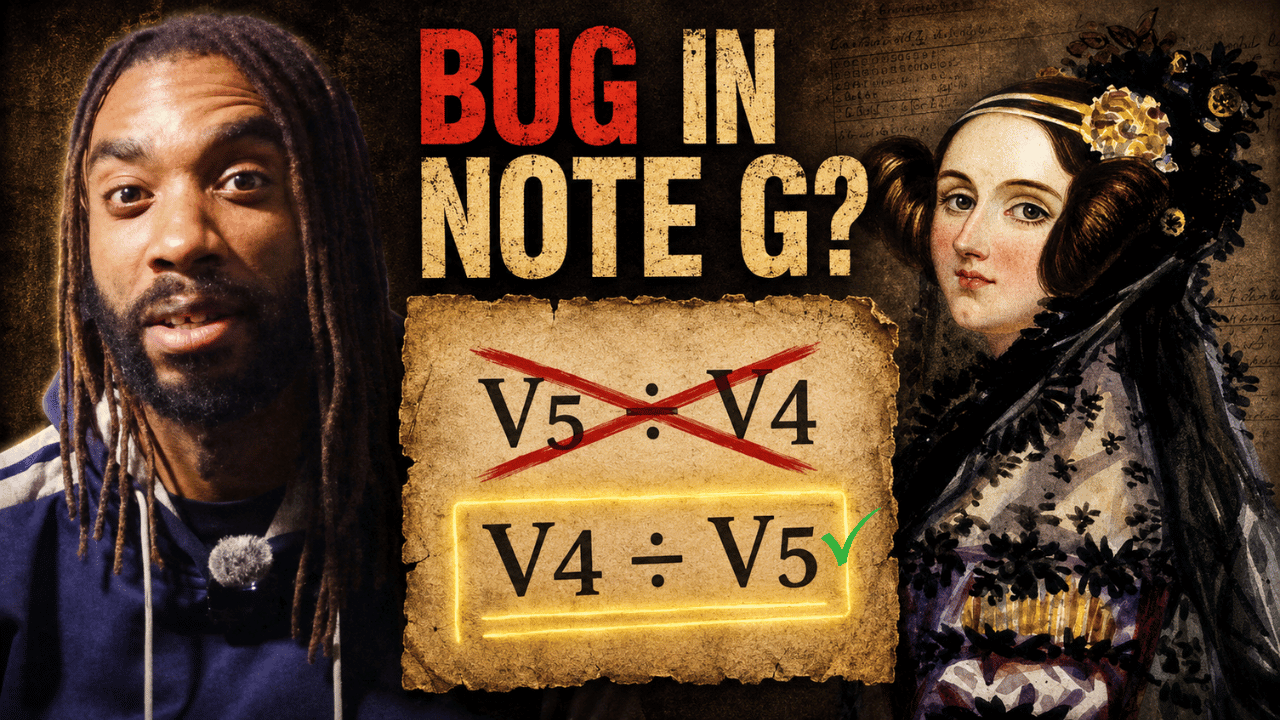
A computational forensics investigation into Ada Lovelace’s Note G, the published operational sequence, Operation 4, Line 24, the B36 wall, and what happens when symbolic elegance meets actual execution.
A personal note on programming, old machines, storytelling, and why understanding computing’s roots makes modern software less mysterious.
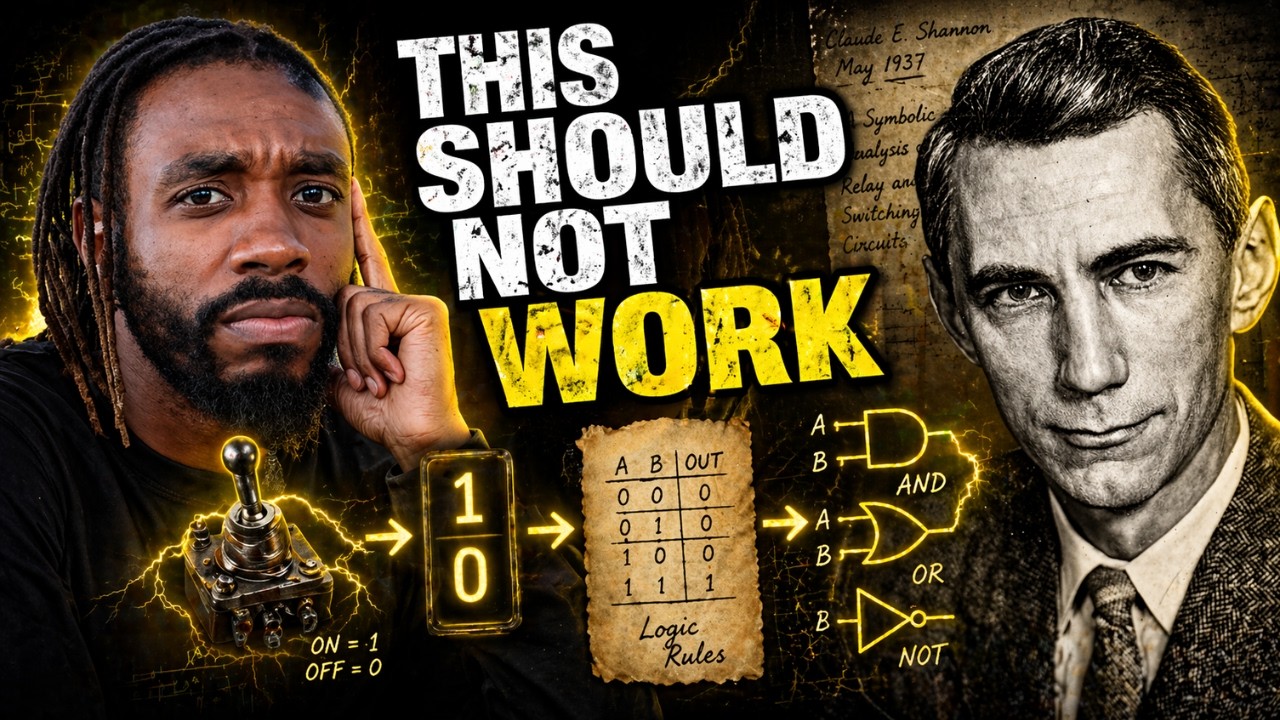
A plain-English computer history piece on binary, Boolean algebra, switching circuits, and how simple electrical states became the foundation of modern computing.
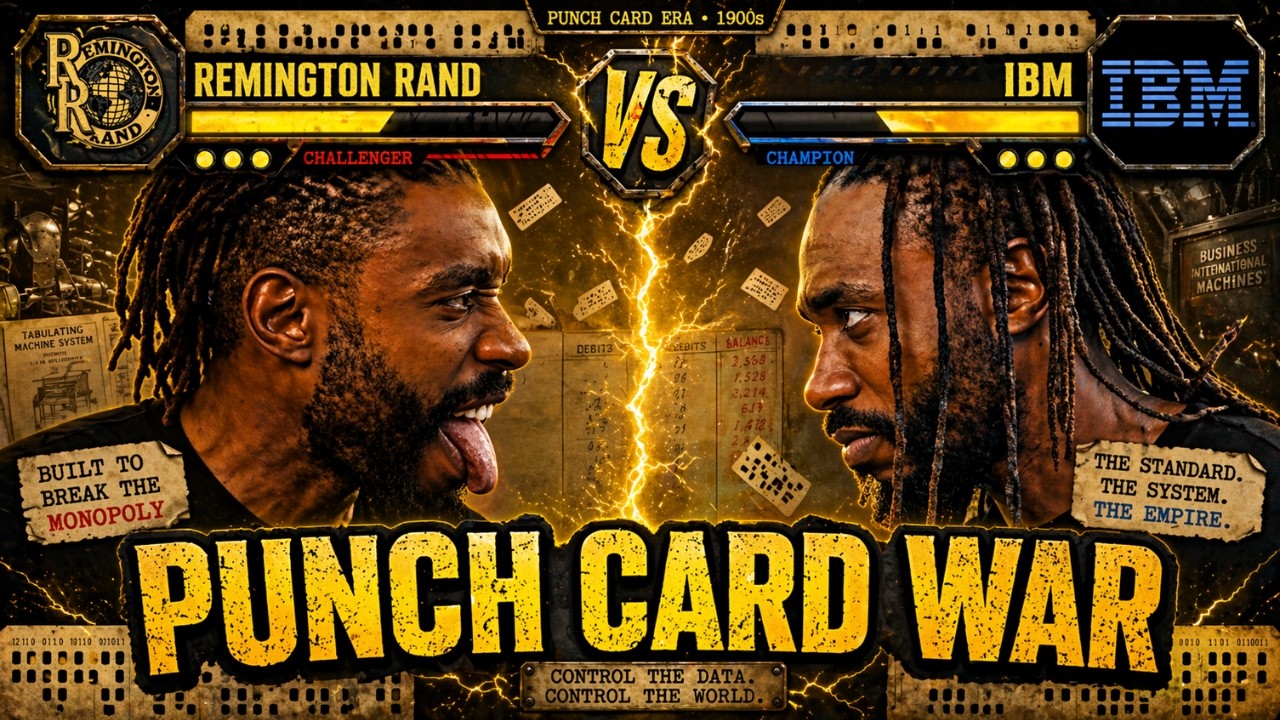
Before Silicon Valley turned rivalry into a spectator sport, IBM and Remington Rand were already fighting over punched cards, patents, tabulators, and the right to process the world’s data.
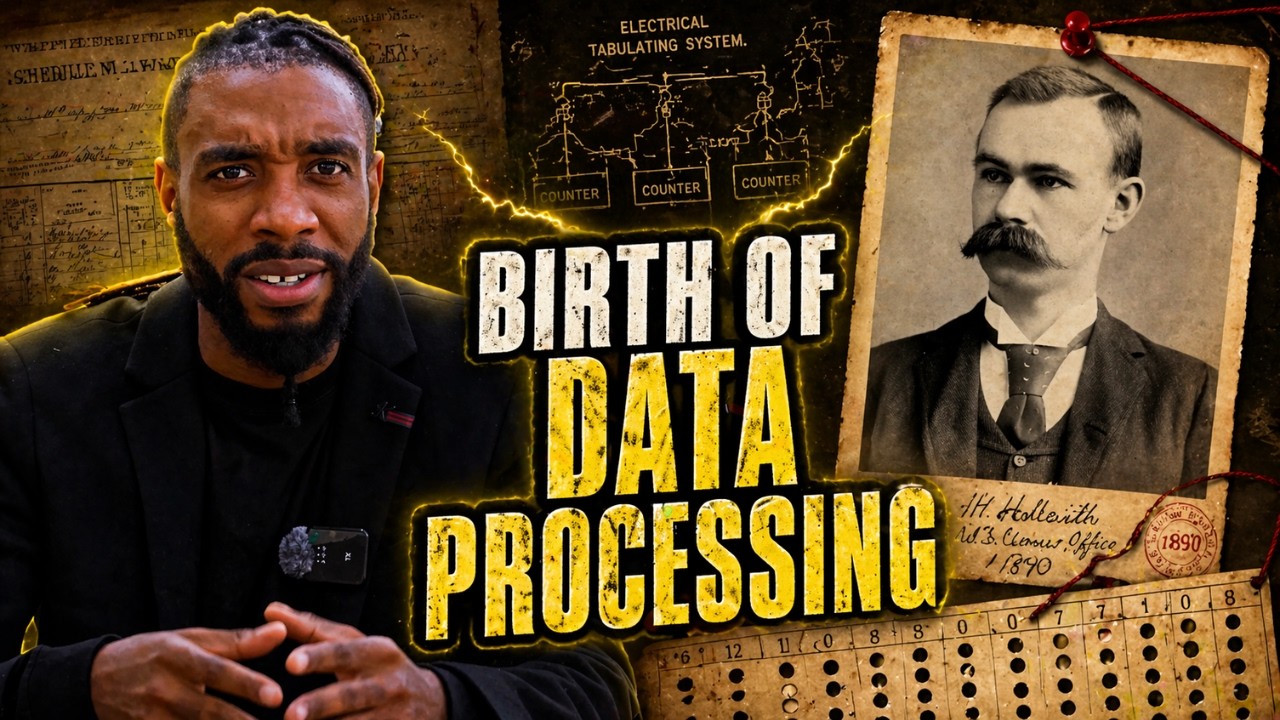
The U.S. Census hit a paperwork wall. Herman Hollerith responded with punch cards, electrical tabulation, and the birth of data processing (plus a cardboard origin story for IBM).
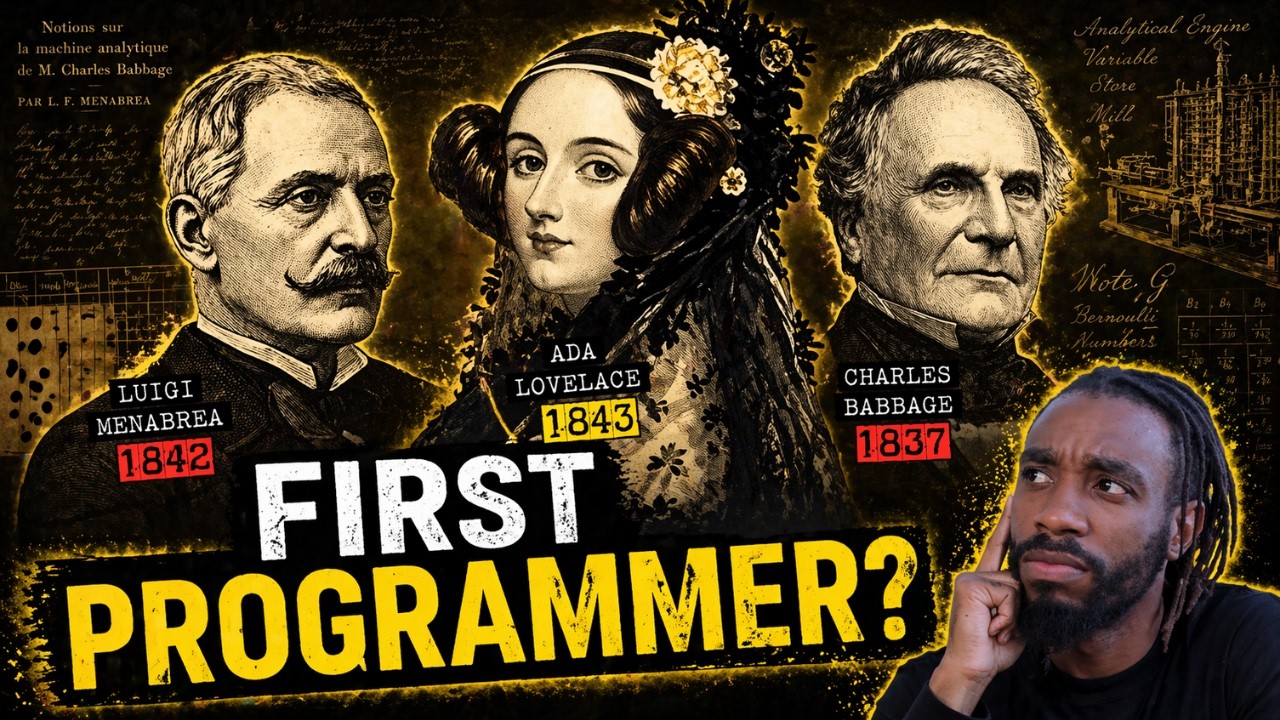
In 1842-1843 three names collide: Babbage, Menabrea, and Lovelace. Five clues from the original sources show why the answer depends on what you mean by first program.
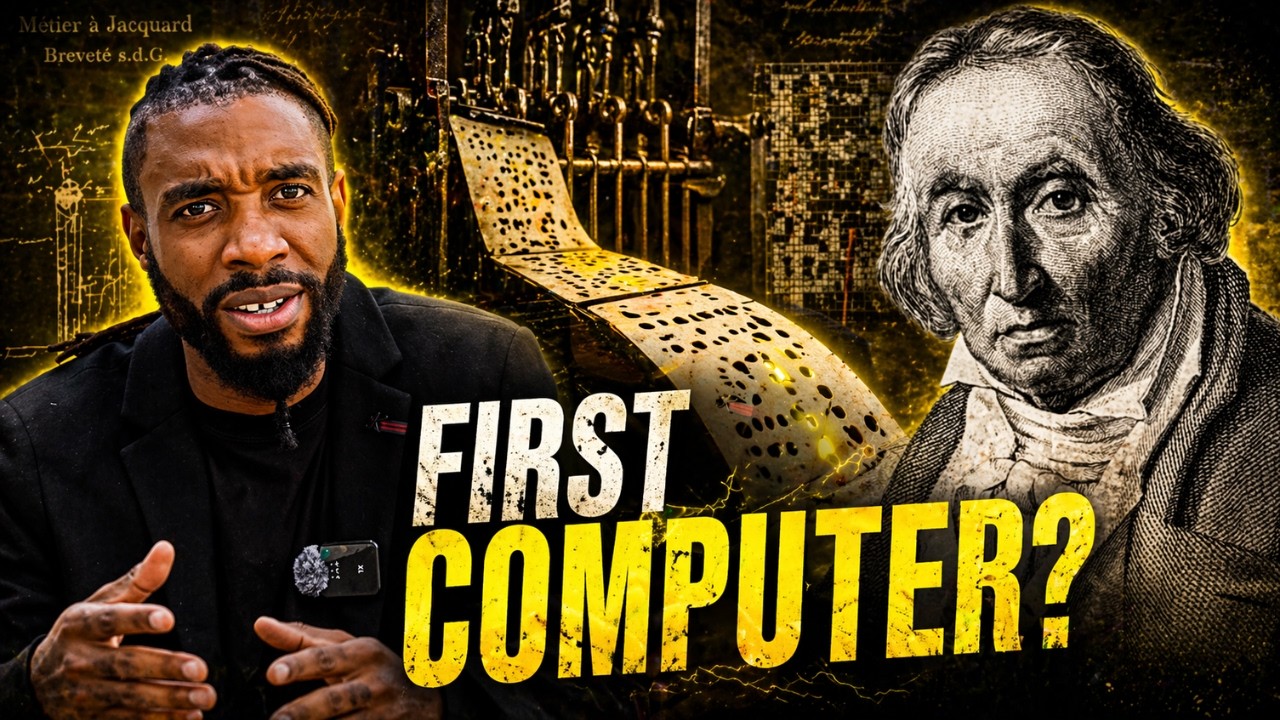
A Jacquard loom, punch cards, and the weirdly wooden prehistory of software - when programming meant weaving instructions into cloth.
Keep following the question
Old machines, strange inventions, and the long chain of bad decisions that led to modern computing.